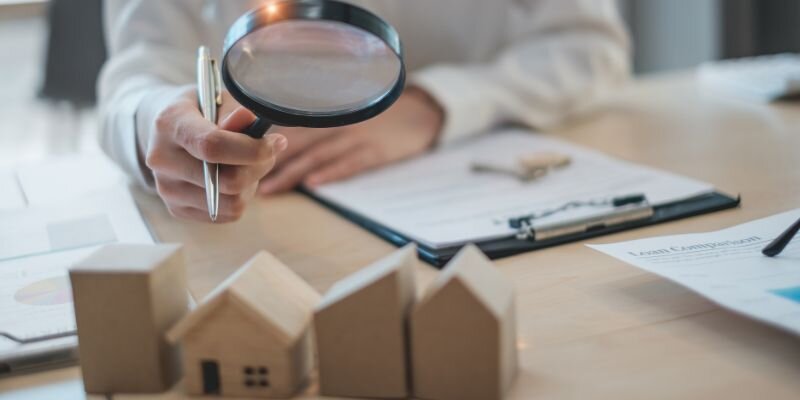
Selling a home that has failed inspection in North Carolina can feel daunting, but it’s not impossible. Wake County Home Buyers guides homeowners through their legal obligations, disclosure requirements, and practical strategies for successfully selling a property with inspection challenges.
Understanding Home Inspections in North Carolina
When selling a home in North Carolina, home inspections are quite important. They are a thorough assessment of a home’s condition carried out by qualified inspection department members. Knowing what to expect from a standard inspection is critical, especially if your home is on the verge of failure. Material facts linked to structural integrity, safety hazards, or code violations are frequently used to explain why properties fail inspection. Understanding these variables can help homeowners plan better and ensure that seller disclosures are handled correctly. This allows you to resolve any possible issues before they have an influence on the sale of your property.
What to Expect from a Typical Inspection
Remember that a North Carolina house inspection will cover many facets of your home. The examination usually checks foundations, roofing, and walls for faults. Inspectors will check plumbing, electrical, and HVAC systems for safety and functionality. Inspectors search for code problems during a normal inspection to ensure your property satisfies local standards.
In-depth inspection reports from these evaluations reveal a property’s condition and may affect a sale. Safety issues that could harm occupants will be paramount. This includes assessing smoke and CO detectors, electrical systems for fire dangers, and stairways and railings for safety. An examination will also check insulation and water damage, which are important for energy efficiency and structural health.
Inspections can reveal issues that can be addressed preemptively. An extensive inspection might reveal material and structural issues, giving sellers time to fix them. Understand what to expect during an inspection to properly prepare your home and documentation for smoother transfers. In essence, expecting inspection results can improve your seller disclosure approach, ensuring all legal and safety standards are followed before advertising your North Carolina house.
Common Reasons Homes Fail Inspection in North Carolina
Homes in North Carolina may not pass inspection due to various factors, such as absent material details and potential safety risks. An unsuccessful inspection report typically stems from violations of codes that jeopardize the safety and functionality of a home. Old electrical systems, featuring wiring and panels that are susceptible to fire hazards, frequently experience failures. Unaddressed leaks and improper plumbing installations can lead to significant water damage.
Many inspections fail due to structural issues. Foundation concerns are costly and hazardous to a home’s stability. Roof leaks or missing shingles can cause water intrusion and property damage. Window and insulation issues affect energy efficiency and comfort, so inspections will find them. Discovering these material factors requires immediate action to avoid more issues.
Inspection prioritizes safety above all else. Every property is required to have functional smoke and carbon monoxide alarms, and any breaches of this requirement can lead to a failed inspection. A negative inspection report can also highlight issues such as staircases lacking handrails or the absence of fire exits. Inspections in North Carolina expect these essential safety features to be implemented in compliance with local regulations.
Poor upkeep also complicates inspection. Maintenance neglect can cause bug infestations and mold growth, which are red flags during home inspections. Avoiding these typical factors may delay or hamper your sales. In the competitive North Carolina house market, you can improve your position by recognizing inspection failure causes and ensuring your home’s important features are up to par.
Sell your home for cash in North Carolina with a fair offer, quickly and stress-free.
Navigating a Failed Inspection in North Carolina
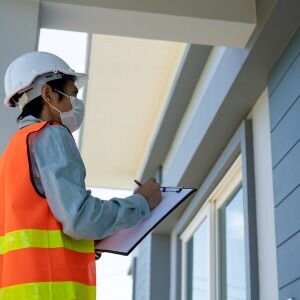
If you fail an inspection in North Carolina, it doesn’t mean the end of your selling adventure. Instead, it means you need to take a planned next step to deal with the problems it causes. Homeowners must choose between fixing up their homes or selling them as-is after receiving a bad inspection result. Making the appropriate choice has a big effect on how interested potential buyers are and how long the home stays on the market. Knowing how to deal with inspection results helps sellers change their plans, whether that means fixing up the house or promoting it straight to get it sold faster.
Steps to Take After Receiving a Negative Report in North Carolina
After receiving a negative inspection report, study it to identify the causes of failure. This extensive paperwork details major and minor fixes, guiding the following stages. In North Carolina, these reports indicate property information that should be disclosed to potential buyers to avoid legal issues.
Sellers should rank concerns by severity, safety, and functioning impact. Safety issues, including electrical failures or structural flaws, should be addressed immediately. Sellers can choose a path by carefully assessing these priorities. Consult contractors to estimate repair costs after reviewing the report. Whether to fix or sell the property as-is depends on this cost estimate. Consult multiple contractors to get a full picture of costs and work. Understanding these financial ramifications will help you choose.
Additionally, prospective purchasers should be informed of inspection results. Buyers like honesty and transparency, which can override inspection flaws. Buyers can moderate their expectations and avoid deal-breaking misunderstandings by knowing what the inspection found. Honesty protects the seller legally and develops confidence, which is crucial in property transactions.
Thus, a failed inspection should be used to rethink strategy and ensure all parties understand the property’s condition and how to make the deal go smoothly.
Repair vs. Sell As-Is: Which Is Right for You?
How quickly and efficiently your North Carolina home sells depends on whether you repair or sell it as-is following a failed inspection. To make this decision, compare the financial and time costs of repairs against the sale price. Repairing minor concerns in the inspection report may raise the property’s marketability, desirability, and price. Repairing old wiring or roof damage can improve buyer impressions and home appearance.
However, selling a home as-is may be wiser if repairs are costly. This option is advantageous to sellers who want to sell their house quickly or without costly renovations. Focusing on the property’s strengths and targeting cash buyers or investors who buy subpar houses can be beneficial. As-is sales usually mean lower prices, but they save refurbishment costs and delays.
This selection also depends on the North Carolina real estate market trends. Well-maintained homes can fetch a premium in a competitive market, offsetting inspection costs. In a slow market, listing as-is may be beneficial when buyers are limited and time is of the essence. No matter your path, you must complete all seller disclosures accurately to prevent legal issues.
The appropriate decision relies on personal circumstances, financial flexibility, and market conditions. Sellers can use failed inspections to their advantage in selling their North Carolina house by weighing the pros and disadvantages of each choice and being transparent with purchasers.
At Wake County Home Buyers, we buy houses in Garner and the surrounding areas, providing homeowners with a fast and hassle-free selling experience.
A Guide to Selling Homes with Inspection Issues in North Carolina

Even though it can be hard to sell a house in North Carolina after it has failed an inspection, it is possible with the appropriate strategy. Homeowners need to carefully consider how to show their house to potential purchasers when there are problems with the inspection. The most important thing is to stress openness and know what your legal duties are. This article will go into detail about how to market properties that failed inspections and what sellers in North Carolina need to know about the law. This will give sellers a clear route to follow even when things get tough.
How to Market a Home with a Failed Inspection in North Carolina
Creative, transparent, and strategic marketing of a non-inspected home is needed. Because inspection difficulties make purchasers hesitant, it’s important to educate them about the property’s potential while being honest about its condition. You can downplay inspection report flaws by highlighting your home’s strengths, even if it is a Condemned House.
Design a captivating internet listing with professional photos and detailed information. Even if there is structural deterioration or outdated systems, location, lot size, and unique architecture can attract investment or project buyers. Show buyers the property’s value beyond inspection issues by answering inquiries at open houses and personal visits. Future repair estimates help clarify tasks. Disclosure attracts serious buyers and speeds purchases.
Target the right people. Properties with known difficulties attract investors and renovation enthusiasts, especially if they provide a high ROI. Consider inspection concerns in pricing while maintaining profitability to successfully use this strategy. Consider the balance between customer attraction and financial goals when choosing a price plan. In North Carolina, selling a house with inspection issues requires clear communication, deliberate pricing, and market knowledge to entice buyers.
Legal Considerations in North Carolina
Grasping your legal responsibilities is essential when selling a house in North Carolina following an unsuccessful inspection. In the state, laws mandate a thorough disclosure of the property’s condition by the seller. To mitigate legal risks, it is essential for potential buyers to be made aware of the findings from property inspections, which may include structural problems or safety hazards. This adheres to North Carolina regulations and fosters confidence among buyers, who value transparency over unexpected issues post-closing.
Material facts are details that potentially impact a buyer’s decision. North Carolina law requires sellers to disclose hidden flaws. To ensure a fair and unambiguous transaction, homeowners must disclose material facts, even those that may hinder interest. Failure to provide such information could lead to contractual issues or litigation, delaying the sale and costing money.
In addition to disclosure, sellers must consider contract language to handle these risks. To ensure legal compliance, consult a lawyer when preparing seller disclosures and the purchase contract. Knowing your rights and responsibilities can prevent liability. It may be required to negotiate repair credits or price modifications depending on inspection results while following North Carolina real estate laws. Understanding these legal issues is essential for a seamless purchase. It protects the seller and builds buyer trust, making the sale easier. North Carolina sellers should prioritize transparency and legal compliance to capitalize on their property sales, even with inspection difficulties.
Looking to sell your property? We offer a fast, straightforward, and fair process. For assistance, Contact Us at Wake County Home Buyers.
Understanding the Needs of Potential Buyers in North Carolina
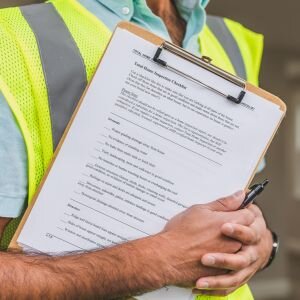
If you want to sell a house in North Carolina after a bad inspection, you need to know what the potential buyers want and need. Safety, utility, and location are some of the most important things that buyers seek in a home. These factors can have a big impact on their decision-making process. After an inspection, it’s very important to be able to negotiate well with purchasers in order to address their issues and close the sale. These tips will help you meet buyers’ needs and make sure you’re ready to deal with any problems that come up if an inspection report doesn’t go well.
What Buyers Look for in Homes in North Carolina
Understanding buyers’ priorities might help you sell in North Carolina’s competitive real estate market, especially after a failed house inspection. Buyers look for houses in neighborhoods with strong community ties, decent schools, and convenient facilities.
Homebuyers consider safety beyond location. Safe living requires working smoke detectors, carbon monoxide alarms, and secure stairways. Buyers should be reassured of the property’s safety by swiftly fixing inspection report issues.
Another important factor is home structure. Property buyers are cautious of long-term upkeep issues. A house with solid foundations, intact roofs, and efficient windows makes a pleasant impression despite inspection problems. Showing off good repairs or enhancements might boost sales.
Buyers also appreciate sellers’ openness about a property’s flaws and willingness to compromise. Sellers should address inspection report concerns and offer practical remedies, such as post-inspection repairs or price modifications. By meeting these demands, you link your property with buyer needs, making transfers easier. Transparency and clear communication develop confidence, which helps buyers buy despite inspection results.
Negotiating with Buyers After an Inspection in North Carolina
A failed inspection needs strategic communication and flexibility when negotiating with purchasers. Buyers are generally wary of the repairs’ scope and cost. Transparent negotiations can change the game for North Carolina sellers. Share the inspection report with potential purchasers, discuss the faults, and list any repairs you will make. Repair credits or price reductions may appeal to buyers seeking direct cost savings.
Understanding buyers’ priorities aids bargaining. Safety hazards like obsolete electrical systems or plumbing may be addressed first before suggesting compromises on less important issues. Being willing to address important safety issues might help you negotiate by showing buyers that you are committed to making the home safe and habitable.
Additionally, legal issues are crucial during discussions. North Carolina’s strict disclosure rules require sellers to disclose all material facts to avoid legal complications. Openly discussing and incorporating these into contract talks helps reduce misunderstandings and improve buyer trust.
Consider the home market’s dynamics: in a seller’s market, you may have more opportunity to negotiate advantageous terms, while in a balanced market, flexibility is key. Effective negotiation requires understanding all sides’ motivations, showing a thorough awareness of the property’s obstacles and potential, and being willing to compromise.
Sellers can ease buyer anxieties caused by inspection failures by effectively handling discussions and addressing buyer concerns with honesty and practicality.
Sell your home fast and hassle-free! Wake County Home Buyers provides fair cash offers and handles all the details. Call (919) 473-6885 today to get your offer and start the process!
FAQs:
The Common Reasons for North Carolina Home Inspection Failure?
Old electrical, plumbing, structural, and code issues fail NC home inspections. These home safety and operational issues may fail inspections.
How Should North Carolina Home Sellers Prepare for Inspections?
Sellers must inspect roofs, plumbing, electrical, and foundations. Avoid surprises and streamline transactions by anticipating issues.
If an Inspection Fails, Should You Fix or Sell the House?
Market, repair type, and cost vary. Selling as-is may be better than fixing large problems or small ones. Local market knowledge is crucial.
How May North Carolina Sellers Market a House With Inspection Issues?
Photograph and describe the property strengths and the sellers. This aids investors and fixer-upper buyers.
What Are North Carolina’s Seller Disclosure Laws?
In North Carolina, buyers must receive inspection reports. Safety and structure issues matter. Not doing so may cause legal consequences.