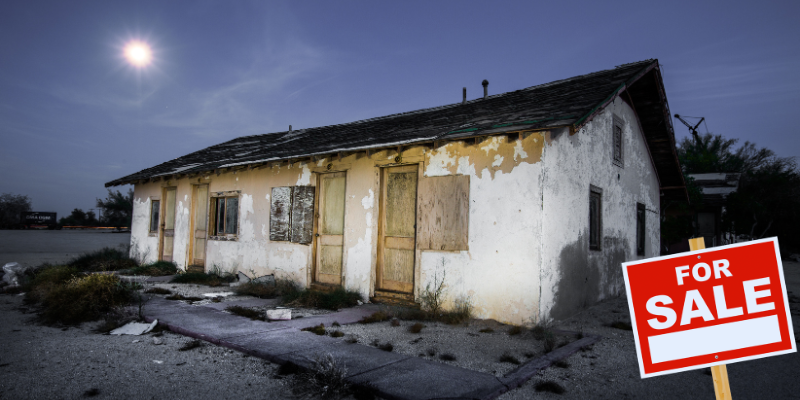
Selling a condemned house in North Carolina can feel overwhelming; with the right strategy, it can be a smooth process. Selling a condemned house involves some legal and financial details that must be managed. Whether you are trying to sell a house that has become a burden or trying to get a reasonable offer, knowing how to sell condemned property is essential. With the right information, selling condemned property can be a quick process and relieve you of the burden. Wake County Home Buyers can assist you with this.
Brief Overview
Selling a condemned house in North Carolina requires legal and financial considerations. Knowing the causes of condemnation, following state laws, and repairing or demolishing are crucial. Homeowners can discuss repurposing and other options with local real estate attorneys and contractors to prepare the property for sale. Together with cash home buyers in North Carolina and nearby cities, a methodical approach, transparency, and strategic planning can turn a condemned property into a valuable asset, providing financial relief and a fresh start.
Key Highlights
- Familiarize yourself with the details of North Carolina’s rigorous regulations regarding the sale of condemned properties to mitigate risk and remain compliant.
- The reasons for condemnation generally include safety and structural concerns as well as the presence of hazardous materials such as asbestos and mold.
- Considering selling or finding new uses for condemned properties can create new economic opportunities and open new uses for the community.
- Working with real estate attorneys and local specialists can help you navigate the various legal challenges.
- Providing accurate estimates of demolition costs and addressing repairs first can help market condemned properties.
Understanding a Condemned House in North Carolina
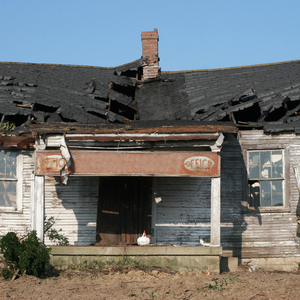
There are many intricacies surrounding the North Carolina house condemnation process that may seem overwhelming, but understanding them is critical to effectively managing the process. Properties may become condemned for extreme safety violations or critical structural issues. North Carolina, like all other states, follows particular regulations to govern the process of house condemnation, and in this case, we will look at the reasons that may cause the state to consider a house uninhabitable. Knowing this information will allow you to better understand what options may be available to you regarding the selling or disposition of a condemned house.
What Makes a House Condemned?
In North Carolina, a house may be condemned if it does not comply with the local authorities’ basic safety and health regulations. Common examples include a house that lacks basic utilities, has a serious structural issue, or has hazardous materials that include lead or asbestos. If a building is found to be unsafe and uninhabitable to the community, the local authorities issue a condemnation order for that building, which means the building is not to be occupied until the problems are resolved.
The order specifies the building’s issues, which can include the following and several others: infested with pests, damaged foundation or rotten wood, insufficient wiring, etc. Investors often purchase condemned properties to fix and resell. If a house is condemned, it may not qualify for most types of financing, which means most of the sales are cash sales. Because of this, sellers must quickly understand the process and act quickly to avoid fines and legal issues.
Common Reasons for Condemnation in North Carolina
There are various reasons why the state of North Carolina condemns homes. The state enforces condemnation for safety and health issues. For example, the state condemns homes with structural problems such as weak walls, damaged foundations, and roofs and therefore unsafe. North Carolina also condemns homes with health hazards such as asbestos, mold, and lead.
Homes are also condemned due to the absence of amenities such as water, electricity, and sewage, which are utilities that render the homes uninhabitable. Homes that have been affected by severe fire damage can also face condemnation, as such homes may also be structurally unsafe. Therefore, understanding the various reasons why homes are condemned puts homeowners in a better position to take the necessary steps to safeguard the property and avoid more complicated legal and financial issues.
In an effort to help property owners pinpoint areas of concern and possible issues with their homes, here are some major warning signs:
- Walls and foundation cracks could mean issues with the structure.
- Mold and strange smells could mean an environmental hazard.
- Repeated outages of utilities could mean something is wrong with the systems.
- Unpermitted repairs could mean an infringement of zoning laws.
- Burnt areas after a fire pose an extreme risk of compromised structure.
Knowing and understanding these signs early enough could save a lot of money in repairs and help avoid possible legal issues and loss of property value.
Legal Considerations for Selling Condemned Properties in North Carolina

In North Carolina, selling a condemned property legally requires a thorough understanding of laws and regulations to avoid legal challenges. Considerable legal comprehension, along with experience, greatly increases the probability of the successful completion of a transaction. Amongst the many considerations, the importance of understanding the laws and consulting with professionals, along with the knowledge of judicial sales, is critically important. Given the high degree of complexity, it is imperative that every federal and state statute be followed in order to legally protect the interests of the seller and the buyer. What follows are the regulations that govern the ownership transfer of condemned property, as well as the approaches to successfully overcoming the legal challenges.
Important Regulations to Follow
In regard to the selling of condemned properties in North Carolina, there are local housing regulations as well as local county regulations. They explain the selling of condemned properties, as well as how the properties in question are classified as condemned. I recommend collaborating with a real estate attorney to understand the law, as well as the zoning requirements, and the options for judicial sales, which are properties that are in need of significant repair.
In regard to the selling of properties, the law requires that all sellers provide full and truthful disclosure of the condition of the property. Failure to do so would result in prosecution and sales being nullified. Lastly, the selling of properties with liens and debts attached is a legally complex process. With regard to the aforementioned processes, a legal professional would be able to clearly show all disclosures and would also be able to provide documents that construct and write all legally valid sales contracts.
How to Navigate the Legal System
Understanding the legal system is critical to selling a home that has been condemned in North Carolina. An attorney who specializes in real estate will help you draft and review documents and explain county regulations. Because the state has many different rules regarding the sale of property, you should consider researching the laws that apply to your property and the legal avenues you may pursue to sell your property, such as selling by auction or judicial sale.
Maintaining a good working relationship with the local housing and zoning offices will help your North Carolina condemned housing real estate project stay on track with the legal process and hopefully avoid any delays. You may keep any potential legal challenges to a minimum by doing as many of the legal requirements as you can as early as possible, and part of this is setting out a plan to stay informed and submit as many of the legal requirements
| Key Legal Requirements | Role of Consultants | Disclosure Obligations | Sale Processes |
|---|---|---|---|
| Comply with state laws on property sales | Hire specialists to assess property conditions | Mandatory disclosure of all known defects | Obtain proper permits before proceeding |
| Ensure clear title and resolve liens | Consult legal advisors for compliance | Provide potential buyers with inspection reports | Follow North Carolina’s specific sale procedures |
| Adhere to environmental safety regulations | Involve appraisers to determine fair market value | Notify buyers of zoning and land use restrictions | Coordinate with municipal authorities for approval |
This table organizes the legal processes of selling condemned properties, emphasizing compliance and strategy.
How to Prepare a Condemned House for Sale
Selling a condemned property in North Carolina requires a lot of preparation in order to ensure the property meets the fundamental things buyers look for. The first step entails knowing what repairs or renovations will help to better sell the property. Also, in order to move forward, you will need to know the costs of demolition if some of the house is unsalvageable. These outlines can help owners of condemned properties convert their property to sell your house fast for cash in Raleigh, NC, and surrounding areas, even targeting house renovators.
Assessing Necessary Repairs and Renovations
Assessment of the renovations that need to be done to legally sell the home and attract buyers is the first step to take when selling a condemned home. Major issues such as structural damage, problematic or faulty wiring or plumbing, and dangerous materials can be identified by a professional home inspector. Knowing the scope of issues to be resolved can help you devise a legally compliant North Carolina renovation plan that satisfies the market demands.
Finish the simple and safe living renovations first, while contracting a professional renovator to help with the renovations. They will be able to help you in the most lawfully compliant and economically efficient way. When the upgrades are of the best quality and the materials are of the utmost durability, more home value will be added, which will open the home to more opportunities as an investment for buyers or investors.
Estimating Demolition Costs
When selling a condemned home, evaluating costs for demolition is a critical part of the process, particularly when parts of the property may be unsafe or irreparable. Because demolition can actively affect the resale price of the property, you should get estimates from several licensed contractors to determine what can be removed or what can be salvaged. They should also ensure the plan to remove areas is compliant with all North Carolina safety requirements.
On average, North Carolina contractors can charge for the demolition of all or partial structures, depending on size. Construction costs can include project size, complexity of the project, required permits, labor, the cost to remove debris, the risk of hazardous materials, like asbestos, on the property, and the cost of time and materials, which should be included to cover obstructions to the initial plans. The salvaging of materials is recommended to recover some money. Once demolition is done, cleaning and presenting the property to show its condition and its potential can be best for securing interested buyers with money to invest in the property from a redevelopment perspective.
Exploring Your Options for a Condemned Property in North Carolina

There are several things to consider if you are a property holder in North Carolina facing a condemnation. Selling is only one option, and there are several others you could pursue, each with its own advantages. Engaging in creative problem-solving, such as repurposing or obtaining guidance from professionals in your community, can be a viable path to realizing the potential in your condemned properties. Great resources like counselors and real estate experts can help clarify the options available to you in a specific community. Condemned properties are no exception.
Options Beyond Selling Condemned Houses
If you own a condemned property, you do not have to feel like you have to sell. One option could be to repurpose the property as a community use facility, and in some cases, there may be local incentives or tax benefits for doing so in North Carolina. Another option could be to lease the property for use as a parking lot or pop-up market. This way, you could generate some income from the property while retaining ownership and improving resale potential in the future.
If you can find investors or developers willing to collaborate with you to fund the necessary renovations, this could be a reclaiming the property option as well. Also, if you donate the property, you may have some tax benefits for doing so, but you also may do a lot of community good for doing so. There are many ways to turn a condemned property into a productive property with the proper guidance.
Talk to Local Experts
When dealing with condemned houses in North Carolina, working with local experts is a must. They help us comply with changes to legal requirements and help us state what needs to be done to meet requirements to remove the condemnation from the house. Local experts help us with prioritizing changes so the property can be compliant with requirements by law and with requirements by the potential buyer.
Local financial and investing professionals are essential, as they explain how taxes will work and provide methods to increase the value of the house. Local investing professionals will provide the contacts of buyers, developers, and cash investors with a willingness to renovate the homes. Local professionals will help remove the obstacles from the property, and it will become a financial opportunity.
North Carolina condemned house sales can be difficult but rewarding if done right. Understanding state regulations, addressing safety and decontamination needs, and finding renovation investors can help you sell. Online auctions and property platforms may also reach buyers. Ensure thorough legal documentation and compliance with local laws to facilitate a smooth transfer. For expert advice, contact Wake County Home Buyers. In the end, diligence and transparency will help sell an unmarketable property.
Need to sell a condemned house in North Carolina? Skip expensive repairs and sell fast with a hassle-free process. Wake County Home Buyers is here to help with fair cash offers, full support, and a smooth transaction from start to finish. Have questions or ready to move forward? Call us at (919) 473-6885 for a no-obligation offer and get started today!
FAQs
How does one sell a condemned house in North Carolina?
To sell a condemned house in North Carolina, you must understand the causes of condemnation, follow state regulations, and make any necessary repairs or demolitions. Compliance and strategic planning require local experts.
Why do North Carolina houses get condemned?
Safety violations, structural damage, asbestos, lack of utilities, and zoning violations are common reasons. This makes the house unsafe and unlivable, requiring repair or sale.
How does one navigate the legal landscape when selling a condemned property in North Carolina?
Be aware of the judicial sales local laws, and consult a real estate attorney. Selling property conditions must be disclosed to avoid legal issues.
What are alternative options to selling when you own a condemned property?
You could convert the property into community spaces, lease it, renovate it with investors, or donate it for a tax write-off. These options are financially and socially beneficial.
Why is estimating demolition costs important in the process of selling a condemned house?
Demolition costs must be estimated when property damage is beyond repair. It affects resale value and requires thorough assessments and safety compliance with demolition contractors.
Helpful North Carolina Blog Articles
- Can You Sell A House With A Mortgage In North Carolina
- Can You Sell a Rental with Tenants in North Carolina?
- How Long to Move Out After Foreclosure Auction in North Carolina
- North Carolina Quitclaim Deed
- How to Sell a Hoarder House in North Carolina
- How to Sell a House With Code Violation in North Carolina
- Selling a House Without a Realtor in North Carolina
- Selling a House With Water Damage in North Carolina
- Squatter’s Rights in North Carolina
- What Taxes Do I Have to Pay When I Sell My House in North Carolina?
- Who Pays Closing Costs When Selling a House in North Carolina
- North Carolina HOA Foreclosure Laws
- Selling a House in North Carolina During an Ongoing Lawsuit
- How to Sell a Condemned House in North Carolina