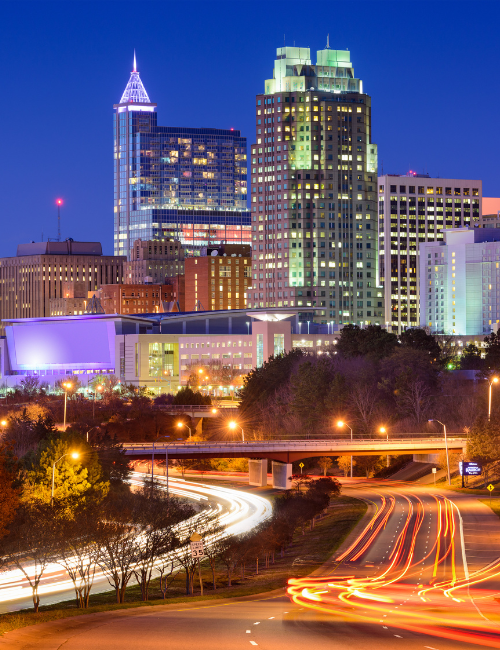

This is a full rundown of the places in Raleigh, North Carolina, worth knowing about, whether you want to learn more about the area or just visit. If you live here or you’re thinking about moving here, it pays to learn the different parts of Raleigh so you can pick the one that fits your needs. Our in-depth neighborhood map shows what makes each place unique, from the quiet streets of the suburbs to the busy avenues and green parks in the city center. This guide walks you through using a neighborhood map to get around, so you can comfortably choose your next spot in the city. If you’re considering buying or selling in the area, Wake County Home Buyers can help you navigate the local market with confidence. We know these streets well, and we’re happy to share what we’ve learned.
Key Highlights
- The Raleigh neighborhood map is a great way to learn about all the fun and interesting places to live in the city.
- Statistics and facts about the neighborhood that help people get involved in their communities in a smart way can be found in the neighborhood register.
- Downtown Raleigh is home to museums, bars, and public events. The area has a mix of old and new vibes.
- People from all over Raleigh’s neighborhoods get to know each other through cultural events and community events.
- A good guidance tool can help you enjoy both well-known and less-known parts of Raleigh on your own tours.
Introduction to Raleigh’s Neighborhood Map

Take a look at our neighborhood map of Raleigh, North Carolina, and you’ll see how beautiful and varied the city really is. Both the Raleigh Neighborhood Registry and the city plan get their own sections below. The neighborhood map points out the unique features of each neighborhood. It’ll help you enjoy the exciting life on offer here. Use these tools and resources to learn more about the capital, and they’ll help you see more of the city and enjoy your time here. We kept it practical.
Understanding the City Layout
Many areas make up Raleigh, North Carolina, and together they add a lot to the state’s cultural landscape. Its city plan has two main pieces: the busy center area and the quiet suburbs. It shows how one part of the city connects to the next. Neighborhoods are laid out so it’s easy to reach other places and stay connected with them. Travel gets faster, and daily life gets better too. Many areas sit near major roads like I-540 and the I-440 Beltline. Those roads make it easy to reach almost any neighborhood, and you’ll see more of town along the way. Traffic on the Beltline can crawl at rush hour, so plan around it.
Raleigh is spread out, so it helps to know what style and flavor each place brings to the city as a whole. Downtown, for example, has plenty of places to visit, including museums, bars, and shops. North Hills and Cameron Village (now called the Village District) mix walkable shopping with a neighborhood feel and easy city conveniences. Nearby parks and open areas are great for families and for people who love being outside.
Green space matters here too, and you can see it in how the city is planned. Parks and trails like Pullen Park and Umstead State Park give people a place to meet each other and have fun every day. Anyone who lives here or visits can enjoy the city’s mix of modern life and natural beauty by getting to know the neighborhood map. I’d argue a neighborhood map is more than a way to get around. It’s a sign of all the fun things that could happen, and all the people you could meet, in the capital of North Carolina.
Importance of the Raleigh Neighborhood Registry
Anyone in Raleigh, new to town or not, can get something out of the Neighborhood Registry. It’s a complete database of more than 300 neighborhood groups, and it’s a good starting point for learning who’s active in each area. The list helps people learn about the many neighborhoods here. It also pulls people into local life by connecting them with the groups, projects, and events that bring those places to life.
People moving here can use that list to see which parts of town have an organized group behind them. If you plan to live or invest in the city, the registry is a very useful tool. Your choice might come down to a quiet suburb or a busy city neighborhood close to music and culture. Talking to the people who run a neighborhood’s group can tell you a lot about the area. They’ll know how close the parks and recreation centers are, and what families think of the local schools.
The Raleigh Neighborhood Registry does more than hand out useful information. Registered groups bring people together. According to the city, registered groups get more say in decisions that affect their area and can qualify for funding. A little money can go a long way. Neighbors use groups like these to plan block parties, neighborhood watches, and community clean-up days. Events like that make the area better and bring people together. Being on the registry also helps people hear about city projects and rules that affect their area. Everyone who lives here can then help the city grow.
Local groups also keep the history and culture of local neighborhoods alive, and the registry helps people find them. That shared memory connects people with the past and future of their community. It shows how each area has changed over time. When people tap into the groups behind the Raleigh Neighborhood Registry, they can make their neighborhoods better places to live. Groups like these keep the people of North Carolina’s capital city strong.
Exploring Downtown Raleigh

Downtown Raleigh is the busy heart of North Carolina’s capital city. It manages to feel old-fashioned and new-fashioned at the same time. You’ll see a lot of interesting things as you walk around: busy restaurants, parks, and big city events. Walking tours help visitors take in the full picture of downtown, with guides who tell them about the area. For those looking to buy or invest, investor home buyers in Raleigh can help you find the right opportunities in these vibrant neighborhoods. This area isn’t only the city’s business district. It’s also a busy neighborhood that’s worth exploring on foot. Locals and tourists both love this part of the city. Weekday evenings are usually calmer than Saturday nights. Come see how community and culture bring people together downtown, and you’ll likely be surprised.
Key Attractions in Downtown
People from all over come to see the cool things in downtown Raleigh, which mixes history, culture, and the present day. Right in the middle of all that activity sits the North Carolina Museum of History. It has fun things to do and great stories about the state’s past. Families and people who love science should also visit the North Carolina Museum of Natural Sciences, with fossil displays that run from ancient creatures to current research. Both sites fit the friendly vibe of the area and the spirit of exploration that defines downtown. Food of good quality is another big draw downtown. All kinds of people can find something they like, from well-known spots serving food from around the world to Southern favorites. A food crawl here feels like a trip to different places without ever leaving the city. These places host events that show off the local sense of community. People from all over the city meet and talk about food at events like food fairs, wine tastings, and cooking classes led by chefs. Art lovers will be amazed by the outdoor art downtown. Bright, creative murals and statues line the city’s streets. Each piece builds local pride, and no two look alike. The city’s art scene keeps growing, thanks to venues that show local artists’ work, and that work is as lively and varied as the neighborhood itself. Make time for one of the downtown parks while you’re here. In the middle of the city, Moore Square and Nash Square are calm places where people relax or gather for public events. Seasonal events, live music, and busy markets turn these parks into exciting places that show off the capital’s sense of community. With so much to do, downtown feels like a lively, friendly neighborhood where everyone is welcome to explore and get involved. Spend an afternoon with these sights and it’s clear why downtown Raleigh is so popular with locals and tourists alike. Old and new cultures meet here and keep growing. Plan on a few hours, since people tend to stay longer than they planned. The area around Fayetteville Street is the easiest place to start, and it’s very walkable. A neighborhood map of downtown shows how close the museums and squares sit to each other. Parking garages near the museums make the area simple for visitors from out of town.
Guided Tours and Local Insights
A tour guide is a great way to learn the history and culture of downtown Raleigh. A lot of thought goes into these tours. They share interesting stories about its past and present that paint a clear picture of city life. Usually, people who live here and really love the place lead them. Their stories often go deeper, showing the spirit and strength of the people who made Raleigh such a lively city. Walking is a nice way to see downtown. Along the way you’ll pass beautiful buildings, like the State Capitol Building and the Duke Energy Center for the Performing Arts. Many tours focus on the area’s architectural past and how old buildings and newer, simple designs stand side by side. Guides tell the history and the interesting stories behind the area. They tie the past to the present so people can see how the area has changed over time. Food tours give you a more focused experience. While you eat the local food, you learn the history and the new ideas behind each dish. These walks often stop at well-known restaurants where the chefs tell the group how the food scene here has changed over time and how much the people here love good food. Looking this closely at the local food culture shows how the city’s growth and its wide range of food choices feed each other. Book ahead on weekends, since popular tours fill up quickly. Comfortable shoes are a good idea too, because the routes cover a lot of ground across town.
Mapping the Charm of Raleigh Neighborhoods

The city of Raleigh has plenty of lively, different areas, and each one gives you a different view of the state capital. You’ll find all kinds of areas in the city, from the historic Mordecai and the Depot Historic District to the busy, newer suburbs of North Raleigh. Those features give each area room for its own community events. Much of the cultural richness here comes from its beautiful buildings, plus the cultural highlights and local events that show how people live and work in the area. This walk takes you through a lot of town, and you’ll see the cultural and social links between its parts. Each stop has its own personality.
Features of Raleigh’s Distinct Neighborhoods
Raleigh neighborhoods are full of history, culture, and community energy, and the details show it. Each area has a story that comes to life through the people who live there and how they live. Take the Mordecai Historic District. It’s full of old houses in the Federal, Greek Revival, and Victorian styles. Many of the oldest houses in town are in this area. The Mordecai House alone shows how long the area has been around. A walk through Mordecai feels like going back in time, because the well-kept homes along its streets tell stories from the past. The Depot Historic District is another well-known place with its own mix of old and new. In this part of the city, old warehouses have turned into cool restaurants and lively art galleries. That makes it one of the most artistically active areas in the city. Creative people gather at the Depot. It gives local artists a place to show their work, and people from out of town get to enjoy a growing art scene. The revival of this area shows the capital is open to new ideas and still respects its past. It’s a must-see if you’re interested in the arts and culture of the city. Raleigh’s freedmen’s villages, like Oberlin Village, show another side of the city. These villages were first built by people who had been enslaved, and their strength and determination still deserve recognition today. A big part of the capital’s past lives in these places, because they tell stories about the cultures and backgrounds that make up the city. They often host festivals and events that celebrate African American history. This chapter of the city’s history stays remembered and respected because of them. North Raleigh is a different world. This modern suburb has plenty of shopping centers, green parks, and well-planned homes. North Raleigh is known as a great place for families to live. If you’re relocating or considering a move, you can sell your greenville house faster with our team’s guidance and make the transition smooth. It’s a good fit for people who want the suburbs but still want city services. Shelley Lake Park and other green spaces get people outside. They pull together people who enjoy the parks, trails, and the lake. This area shows how serious the city is about building neighborhoods that are easy to reach, built to last, and give city residents real choices about where to live. Old and new neighborhoods here each have their own feel, shaped by the things that make them unique. With a neighborhood map of each area, you’ll see more of its many sides. Old and new live together here, in a landscape full of culture and neighborhood ties. Each of these places draws a different crowd, and that’s a big part of the fun. People who prefer quiet streets tend to land in one area, while people who want nightlife end up in another. Spend a weekend in each place before you decide where you’d rather settle.
Community Events and Cultural Highlights
Areas across Raleigh host a lot of cultural and community events, and that tells you how lively they are. Every place is unique, so each one has events that honor its own spirit and character. Those events make everyone feel like they belong, whether they live in the area or are just visiting. In places like Mordecai, events often draw on the area’s role in the past. People from all over the city who love history come for walking tours and reenactments. Events at Mordecai Historic Park each year let people learn about the lives and stories of the people who helped build the capital. Mordecai’s cultural heart lives on thanks to people who are dedicated to saving history. Modern visitors get a vivid look into the past. The Depot Historic District, on the other hand, hosts cultural events that show off its artistic side. Art and music events bring the streets to life and highlight the creative spirit that makes this neighborhood special. During art walks, many places in the area show a wide range of styles, from new works to handmade crafts. At music events, acoustic acts play in the streets of the Depot, which fills up with music lovers. These projects keep creative ideas flowing through the Depot, and the area is becoming known as a major cultural hub in the city. Freedmen’s villages like Oberlin hold events that honor African American history and culture as a way to celebrate their rich past. Festivals usually honor the important artists and leaders from these places through dance, music, and stories. By sharing their stories and customs, these villages help people here understand and value each other more. People from different backgrounds get to know each other, and the city feels more like a whole. North Raleigh’s parks and community centers hold many events every year, and it’s clear the city puts real effort into making events family-friendly. With holiday fairs and neighborhood clean-up days, this area brings people together through shared experiences built around family time and caring for the environment. North Raleigh cares about connecting people and living a little greener. Events at Shelley Lake Park encourage people to walk in nature and learn something new. All of these events in local neighborhoods show off the city’s many identities as a whole. Through its events and cultural highlights, everyone can learn about and enjoy the capital’s layered community identity. That includes the historical appeal of Mordecai, the artistic energy of the Depot Historic District, the rich history of the freedmen’s villages, and the family-friendly vibe of North Raleigh. At these events, people from all over the city meet, have fun, and learn the stories behind the local culture. They make the neighborhoods friendlier places where everyone can feel welcome. Most of these events are free or close to it. Locals tend to hear about them by word of mouth, so ask around once you settle in. You’ll meet more people that way than you would online.
Utilizing the Neighborhood Registry
The Raleigh Neighborhood Registry is a good way to find out about the city’s areas. It points you to the groups that know what makes each neighborhood special, which helps new and longtime residents alike get around and enjoy the rich fabric of the area. Through those groups you can learn about the area’s people, its history, and upcoming events. That helps people pick the best places to live and find ways to be part of the capital’s lively community. I’d start there. Finding and using the registry takes a few minutes, and it can help the people who live there in a lot of ways.
How to Access and Use the Registry
Finding the Raleigh Neighborhood Registry is simple, and it gives people a useful way to get involved where they live. It’s free to look through. Start on the City of Raleigh’s website. The registry is part of a push for open government and real civic involvement. You’ll find it among the official community resources, which are meant to make local information easier for people to find. To use this registry well, know what it’s for. It’s a list of more than 300 neighborhood-based organizations across the capital, and it’s how the city keeps in touch with them about projects in each area.
People can pair the registry with other city tools to learn more about local areas. The city’s iMAPS site works as an interactive neighborhood map. With it, people can look at different areas and find places that interest them, based on things like parks, public facilities, and school districts. You can narrow the search further from there, whether you want family-friendly areas or places with a thriving arts scene. Filters like these save a lot of time when you’re comparing options.
History is another reason people turn to the groups on the Raleigh Neighborhood Registry. Many of them keep records of how their town or area has changed over time, and some go back generations. That makes them a teaching tool, with stories about important people and events in the capital’s history. People can also learn about the social and cultural life of the neighborhoods they’re considering, which makes their involvement in the community even better.
Many registered groups keep an event calendar of neighborhood meetings, cultural celebrations, and volunteer opportunities. That makes people want to be more active in their communities. Small things add up. If people check in regularly, they’ll stay interested in what’s happening in their neighborhoods. They’ll feel like they fit in, and they’ll work together to make the neighborhood better. Groups on the registry also give people a way to voice concerns or suggest new projects. City planners and other decision makers then know what the community wants.
All told, the Raleigh Neighborhood Registry gives you plenty of ways to connect with different groups in the city. People can choose places that fit their needs, and they can also use the community’s many tools to help shape it. The registry shows how committed local leaders are to keeping people informed and encouraging active neighborhood growth. Lots of people use it to get facts, study history, and make a real change where they live. I keep it bookmarked.
FAQs
What resources are available to explore Raleigh’s neighborhoods?
A good guide to Raleigh, NC, neighborhoods gives you a detailed neighborhood map and a feel for each community’s character. The neighborhood registry points you to local groups that know the demographics, history, and community events in each area.
How does the Raleigh neighborhood registry benefit residents?
The Raleigh neighborhood registry connects residents with the groups that track demographics, local history, and events, so they can engage with their communities. Registered groups also get a voice in local developments and can organize events.
What are some key features of Downtown Raleigh?
Downtown Raleigh blends historical charm with modern energy, with museums, restaurants, public events, and art installations. It’s a cultural hub that combines business, dining, and entertainment.
How can I plan a personalized tour in Raleigh?
Start with a neighborhood map and community resources. Tools like Google Maps help you customize routes, and the neighborhood registry adds local insight on top. For the full experience, explore the walking paths, local eateries, and parks.
What types of events can be found in Raleigh’s neighborhoods?
Raleigh neighborhoods host all kinds of cultural and community events, like historical tours in Mordecai, art festivals in the Depot District, and family activities in North Raleigh. These events build community spirit and appreciation for local culture.
Thinking about selling a house in Raleigh as you plan a move? Wake County Home Buyers buys houses for cash throughout Wake County. You can reach out to us or call (919) 473-6885 whenever you’re ready. There’s no obligation, and we’re happy to answer questions about specific neighborhoods too.
Helpful Raleigh Blog Articles
- Tenant Damage To Property in Raleigh, NC
- How To Successfully Sell Home With a Title Issue in Raleigh, NC
- Fixing Up a House to Sell in Raleigh, NC
- Optimal Season For Selling Your Home In Raleigh, NC
- Selling A House To A Family Member in Raleigh, NC
- How Long Does An Eviction Process Take in Raleigh, NC
- Capital Gains Tax After Selling A House in Raleigh, NC
- How Much Equity Do I Need to Sell My House in Raleigh, NC
- Explore the Best and Worst Neighborhoods in Raleigh, NC
- Is Raleigh, NC, a good place to live?
- Raleigh, NC Neighborhood Map