
Selling a house in Fayetteville, NC, requires meticulous attention to documentation, ensuring that all necessary legalities are addressed to facilitate a smooth transaction. Homeowners transitioning in the vibrant North Carolina housing market need a comprehensive understanding of essential paperwork, from disclosure forms to final deeds, to facilitate a successful sale. This guide streamlines the process by detailing the specific documents required, clarifying local regulations, and highlighting unique considerations particular to the state. Preparing these crucial documents ahead of time not only expedites the selling process but also provides peace of mind for a seamless home-selling experience.
Key Highlights
- Essential documents, such as deeds and disclosure forms, are vital for a seamless home sale in Fayetteville, NC.
- Understanding North Carolina’s legal requirements helps mitigate potential legal issues that may arise during the home sale process.
- Sellers must disclose all property issues to foster a transparent buying process and avoid legal repercussions.
- Effective property presentation and strategic pricing are essential for attracting buyers in Fayetteville’s competitive market.
- Accurate closing cost estimates ensure smooth negotiations, vital for a successful real estate transaction.
Understanding Legal Requirements in North Carolina
Understanding North Carolina’s legal landscape, especially in Fayetteville, is crucial when selling a house. This is a complex process, but knowing what forms and how to answer legal questions can make it easier. Disclosure documents, along with the proper legal documents, are part of Carolina’s compliant selling. Disclosure statements are a significant part of the selling process, and homeowners need to understand their ramifications. This state’s understanding of selling a home in North Carolina will save legal headaches and make the paperwork more straightforward to manage.
Essential Legal Paperwork to Sell a House in Carolina
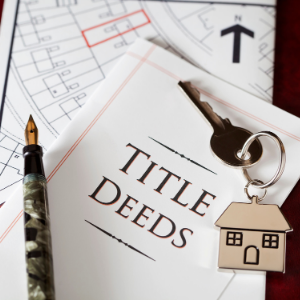
North Carolina home selling involves document preparation. The deed is always signed to prove that ownership has been transferred from the seller to the buyer. This must involve an attorney due to the legal restrictions imposed by the state. Additionally, the title is required because this document states that the seller is the owner of the home. Any liens or other encumbrances on the house are also expressed in this document. Additionally, the seller must obtain title insurance to protect against future claims.
An attorney must complete the settlement statement because this document outlines the terms of the transaction, specifically detailing what the buyer is giving to the seller. This document is to help buyers understand what they are offering the seller. This document is strictly financial. A seller must disclose to the buyer any defects or issues with the home in the seller’s disclosure. An inspection is an optional document that can help ease any buyer concerns. This is an inspection conducted by a third-party inspector.
A purchase agreement must be signed to ensure that the state is in agreement. This document must state the selling price as well as any other negotiable contingencies. Also, a state-issued tax document must be included in the final documents. This must state that the home is current on all tax payments for the title to be transferred.
These documents also promote buyer confidence, making the sales process easier and more efficient, while providing the seller with legal protection and ensuring compliance with relevant regulations. Knowing the detailed requirements enables sellers to have a more successful home-selling experience in Fayetteville and throughout North Carolina.
Disclosure Statement: What North Carolina Homeowners Must Know
Each real estate transaction is unique, but there are still similarities that must be adhered to across sales. One of the most important aspects is the disclosure statement. In North Carolina, the seller must disclose all variables that the buyer is unaware of that may impact their choice, such as prior repairs, permanent parts of the house that may be defective, and the presence of environmental concerns, including but not limited to radon and asbestos. Disclosures also strengthen the bond between the buyer and seller, increasing the likelihood that the sale will be finalized.
In addition to the above, the condition of the seller must be disclosed, as well as the presence of any covenants, such as unfinished lawsuits, the condition and age of the seller’s mechanical systems, including HVAC, pipes, and electrical wiring, and any leaks in the roof, problems with the foundation, etc., as well as the age and condition of the structure. In addition to the condition of the structure, if there is any surrounding area that is noisy, this may decrease the value of the house or its livability. If there is any upcoming construction, it must also be disclosed.
The disclosures must be as complete and correct as possible. Failure to do so will result in angry buyers, lawsuits, and financial liability for the buyers. Analyzing the statement with an attorney is the best way to ensure that the property’s condition aligns with the NC laws.
The statement can be viewed as a safeguard for sellers, as it will provide a greater degree of fairness and confidence in fulfilling the transaction, resulting in a positive impact on the home-selling process in the highly competitive Fayetteville real estate market.
The Importance of Preparing Your Home for Sale in Fayetteville, NC
Preparing your home for sale in Fayetteville, NC, is crucial, as it directly influences your success in this competitive market. A well-prepared home not only attracts potential buyers but also often commands a higher price. Knowing which documents are necessary and ensuring your property stands out in Fayetteville’s market can make all the difference. Highlighting your home’s best features while complying with North Carolina’s requirements can simplify the selling process and maximize your property’s appeal. Read on to discover how to effectively showcase your property to ensure a lucrative and smooth transaction in Fayetteville’s real estate scene.
How to Showcase Your Property Effectively for the Carolina Market

How you showcase your home in Fayetteville, North Carolina, can affect buyer interest and your position in a competitive market. Curb appeal plays a significant role in first impressions, which can influence buyers’ interest in the interior. Ensure the exterior is clean and well-maintained, with hedges, lawn, and driveway trimmed and tidy. A garden with colorful plants and a fresh, welcoming coat of paint on the front door can also provide a better review.
Home staging is a crucial aspect of the buyer’s experience, enabling them to envision themselves in the space mentally. Rearranging and removing clutter, personal pictures, and decorative items, as well as using neutral paint colors, can also help create an appealing space. Lighting, engineered wood, and big scenic windows should be arranged so that the gaps are complemented, and the space feels larger.
Correct home pricing is also an essential part of the process. In Fayetteville, the pricing of the home needs to be researched, and an agent needs to assist in setting a competitive price. Additionally, with current trends, the agent can put a price that indicates a faster sale with multiple offers.
Listing a property includes time-consuming tasks that must be completed, and making minor adjustments could save time during the negotiation phase. Making a handful of necessary repairs, such as patching an old sink, repairing a few broken tiles, or replacing tarnished knobs, can help eliminate the need for price negotiation. Modern additions, including enhancements to the kitchen or remodeling the bathroom, can increase the property’s value while also limiting the owner’s budget.
Achieving a practical result is essential. Marketing materials that include edited images, detailed photographs, and virtual walkthroughs help listing descriptions capture the property’s features. To aid visibility, the description should include the terms ‘Fayetteville,’ ‘Home,’ ‘Property,’ and ‘For Sale.’ Open houses and private viewings help engaged buyers and help create buzz.
Home sellers in Fayetteville can maximize their property’s potential by combining a pricing strategy, targeted repairs, curb enhancements, staging, and marketing—making proper edits to enhance further the home’s value in the ever-changing Carolina market.
Key Documents Needed for Selling a House
In North Carolina, and more specifically in Fayetteville, selling a house requires a well-prepared seller, meticulous attention to detail, and a significant amount of paperwork. Knowing what type of paperwork needs to be completed to ensure a smooth and legally protected transaction for all parties involved is crucial. From seller disclosures to legal documents, every single transaction is essential. This section will address Fayetteville’s documentation needs and aim to provide answers to the seller’s questions and concerns surrounding documentation in NC real estate transactions.
A Comprehensive List of Paperwork Required in North Carolina
There are various types of documents that sellers must complete to initiate the legal process of selling their home in North Carolina. One of the documents is a deed that needs to be created to transfer the legal ownership of the house from the seller to the buyer. This deed is often designed with the assistance of an attorney. A title company conducts a title search to verify that the seller is the legal owner of the house and to identify any outstanding claims, liens, or other issues against the property. Additionally, after the sale is completed, the buyer will be protected by title insurance from any claims or challenges regarding the ownership of the property.
A closing or settlement statement is a document that details all the credits and debits resulting from a sale, thereby closing the financial gap between the buyer and seller. Notably, sellers should disclose all known defects and hazards on the property. These can include structural defects or radon gas present in the house that poses a risk to the buyers. Having a home inspection report is not a strict requirement. Still, buyers appreciate having one done, as it can help alleviate many issues that arise when they are concerned about the home being well-maintained and in good condition.
Additionally, buyers have a purchase agreement drawn up to outline all the terms of the sale. This would include closing dates, contingencies, and other relevant details. This is done to minimize the risk of claims, misunderstandings, or disputes arising from the sale. Finally, a property tax report is necessary to ensure that all tax dues are collected, allowing the sale to be made legally.
Thorough document preparation not only aids in selling and boosts buyer confidence but also ensures adherence to North Carolina’s legal requirements, making home sales in Fayetteville more efficient, streamlined, and secure.
Understanding Fayetteville’s Specific Documentation Needs
Selling a home in Fayetteville, North Carolina, requires more specific documentation than the state’s general requirements. Fayetteville has its own zoning permits and zoning certificates. Home sellers must determine what documentation is needed to avoid placing any zoning compliance burdens on the buyer due to the home’s construction and historical use.
Due to the likelihood of pest problems in Fayetteville, a pest inspection report for termites is often a requisite report. Pest problems assure the buyer that the home is free of pest damage. Water and sewer compliance reports also help the buyer by showing that the services to the house are in good standing, and the seller’s accounts are up to date.
Comprehensive appraisal reports are helpful due to the proximity of Fort Bragg to Fayetteville. Heritage homes and those on the historical registry may require additional documentation to demonstrate that completed renovations meet local preservation standards.
Providing historical and zoning documentation for Fayetteville demonstrates that a reasonable effort was made to comply with local laws, which will facilitate the seller’s ability to finalize the sale.
Breaking Down Closing Costs in Carolina
Buyers and sellers alike must understand closing costs in North Carolina, particularly in fast-moving areas like Fayetteville. These expenses are a key component of the final sale price and play a significant role in the negotiations. Understanding the costs associated with selling your home, from standard costs related to the mortgage to local North Carolina-specific costs, will enhance your ability to price your home accurately. This section focuses on closing costs and their impact on both parties involved in the sale. It will also outline what North Carolina home sellers and prospective buyers can expect.
How Closing Costs Affect the Sale in North Carolina

Consideration of closing costs is a significant factor when buying or selling a home, as it affects the final sale price and the property’s attractiveness. In Fayetteville, closing costs range from 2% to 5% of the loan amount. This includes costs of loan origination, appraisal, title insurance, and attorney services. Sellers usually price their homes considering these costs, and buyers sometimes negotiate the home price to include the seller’s closing costs.
Local market conditions are also a factor that adds to closing costs, such as being near Fort Bragg, which affects VA loans, Termite inspections, and excise taxes (also known as “revenue stamps”). Sellers who lack a good understanding of these local conditions and setting costs could lose a significant amount of money, which is why it is essential to have professionals assist in this field.
For homeowners seeking a faster, simpler sale, Wake County Home Buyers, a local cash house buying company in North Carolina, buys houses as-is for cash in Fayetteville, NC, allowing sellers to bypass repairs, negotiations, and many traditional closing costs. Contact Wake County Home Buyers at (919) 473-6885 today!
Understanding and planning for closing costs ensures a smoother transaction, whether selling traditionally or working with a local cash buyer, and helps homeowners maximize their home’s market potential.
Frequently Asked Questions
What paperwork is needed to sell a house in Fayetteville, NC?
It is key to have a seller’s disclosure form, a settlement statement, an insurance title, a title search, and a deed. All of that together ensures the transaction is legally compliant and that nothing is missing in the process.
Why is a seller’s disclosure form needed in NC?
To legally protect sellers in a home sale transaction, NC requires the seller’s disclosure form to include a list of any known defects, problems, or missing items with the home. This is necessary to prevent potential lawsuits in the future if this is not completed, and to maintain a clear and transparent process.
What is the impact of Fayetteville’s local regulations on the selling process?
Due to the proximity of local regulations, zoning laws, and military installations, Fayetteville has a market that requires sellers to provide unique zoning descriptions and termite reports for a legally compliant and smooth transaction.
What is the impact of closing costs in a home sale in North Carolina?
Closing costs typically average around 2-5 percent of the total loan amount. The closing costs in North Carolina primarily include title insurance, the loan origination fee, and the attorney’s fee, which continue to impact the final selling price. It is essential to be aware of this to negotiate effectively.
What steps should be taken to prepare a house for sale in a competitive market like Fayetteville?
Steps to prepare a house for sale in Fayetteville include advancing curb appeal and staging the interior. Additionally, pricing the house competitively and having all the required paperwork ready, including inspection/repair reports, as well as disclosures, significantly enhances the home’s marketability.
Helpful Fayetteville Blog Articles
- HOA Dues Delinquency In Fayetteville, NC
- Selling A Probate House In Fayetteville, NC
- For Sale by Owner in Fayetteville, NC
- Selling Jointly Owned Property in Fayetteville, NC
- Can the Seller Back Out of a Contract in Fayetteville, NC
- Selling Your House During A Divorce in Fayetteville, NC
- Sell A Foreclosure House Fast In Fayetteville, NC
- Selling an Estate Home in Fayetteville, NC
- Can You Sell a House With a Lien in Fayetteville, NC
- Can an Administrator of an Estate Sell Property in Fayetteville, NC?
- Documents Needed to Sell a House in Fayetteville, NC
- Sell My Parents’ House with Power of Attorney in Fayetteville, NC?
- Sell My House in Fayetteville, NC, with a HELOC?
- Best Fayetteville, NC, Property Managers
- Free Things to Do in Fayetteville, NC